
Mining conveyor systems form the backbone of bulk material handling in underground mines, open-pit operations and mineral processing plants. These long, heavy-duty belts transport tonnes of ore, rock and raw minerals across hundreds of meters, often navigating steep inclines, variable load conditions and harsh, dusty environments. Many mining operators once relied on direct-on-line (DOL) motor starters or fluid couplings to power conveyor belts. While these older methods work for simple, low-weight applications, they frequently struggle with the extreme load demands found in mining sites. This is where high-torque VFD drives become a critical piece of infrastructure.
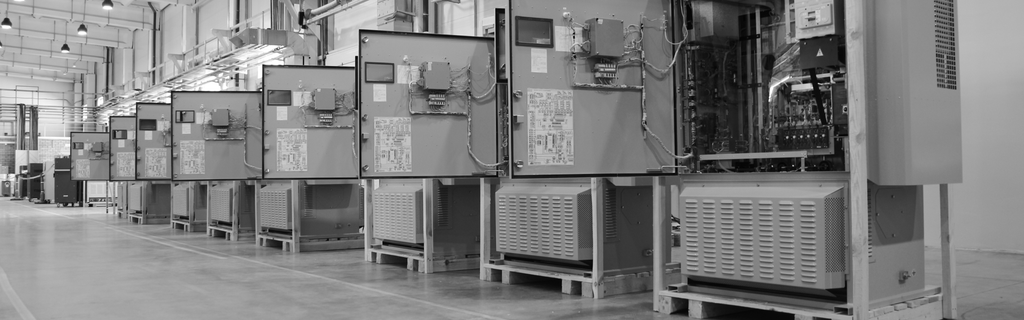
A high-torque VFD, or variable frequency drive, is engineered to deliver strong starting torque at low motor speeds. Unlike standard general-purpose inverters, high-torque VFDs maintain stable torque output even when the conveyor belt is fully loaded, stuck or restarting after a shutdown. For mining conveyors, this capability is not just a convenience. It directly protects mechanical components, reduces electrical stress on the power grid and improves overall operational safety.
What makes mining conveyor loads so unique?
Most industrial conveyor systems start with an empty belt and build up load gradually. Mining conveyors operate under far less predictable conditions. After a sudden power outage or emergency stop, the belt may remain fully loaded with ore. When restarting, the entire weight of the material on the belt must be moved from a stationary position. This static friction creates a massive initial torque requirement, which standard VFDs cannot reliably supply.
Long distance conveyors add another layer of complexity. The belt itself stretches and accumulates tension across its length. Multi-drive conveyor setups, which use two or more motors to pull one single belt, also need precise torque synchronization. If one motor delivers more torque than another, uneven tension can tear the belt, damage gearboxes or trigger unexpected downtime.
Mining sites also bring challenging environmental factors. Wide temperature swings, airborne dust, vibration and occasional moisture can degrade electrical equipment. High-torque VFD drives built for mining applications are designed with robust hardware and protective functions to operate steadily in these tough conditions. Operators also face pressure to cut energy consumption, reduce maintenance costs and meet strict site safety standards. All these factors make the selection of the right VFD a key decision for mine project engineers.
How high-torque VFD drives solve mining conveyor challenges
1. Smooth heavy-load startup without mechanical shock
Direct-on-line starting sends an immediate full surge of current to the motor. This sudden jolt creates massive mechanical shock loads on the belt, pulleys, gear reducers and motor bearings. Over time, repeated shock starts shorten the service life of expensive mechanical parts, leading to frequent breakdowns and unplanned production stops.
High-torque VFDs ramp up motor speed slowly while maintaining high starting torque. The belt accelerates gently from standstill, even when fully loaded. There is no sudden jerk. Belt tension builds up in a controlled way, extending the service life of the conveyor belt and mechanical transmission parts. This soft start also lowers the inrush current drawn from the mine power supply. Large current spikes can destabilize the local power grid and interfere with other sensitive mining equipment on the same circuit.
2. Reliable restart after full-load stop
Emergency stops are common in mining. When a conveyor halts with ore still covering the belt, restarting becomes the most demanding operating scenario. Standard VFDs often trigger over-current faults or torque insufficiency when trying to turn a fully loaded stationary belt.
High-torque rated VFDs can deliver 150% or even 200% rated torque at near-zero speed. This torque reserve allows the system to break static friction and restart the loaded conveyor safely. The drive continuously monitors motor current and torque output, adjusting its output in real time to avoid tripping. For mine operators, this means less manual cleanup work to remove ore from the belt before restarting, saving labour and valuable production time.
3. Precise torque sync for multi-drive conveyor systems
Large mine conveyors often use dual or multi-motor drive arrangements to share the pulling force. Without proper synchronization, one motor will carry most of the load while the other runs lightly loaded. Load imbalance causes premature wear on gearboxes and uneven belt tension.
High-torque mining VFDs support master-slave control. The master drive tracks speed and torque reference, then sends torque signals to slave units. All drive units share the load evenly across the conveyor. This balanced load distribution protects the whole mechanical system and maximizes the service life of every drive and motor in the set. Operators can also adjust speed and torque parameters remotely through industrial communication links such as Modbus or Profinet, integrating the VFD system into the mine’s central PLC control system.
4. Energy saving during normal running cycles
Many people only focus on the starting performance of high-torque VFDs, but energy efficiency is another major benefit. DOL motors run at fixed full speed all the time, regardless of how much material sits on the belt. Mining conveyors do not always operate at maximum capacity. Ore feed rates change based on excavation progress and crusher throughput.
High-torque VFDs adjust motor operating speed dynamically according to actual material load. When the belt carries less ore, the drive reduces motor speed and power consumption. Compared with fixed-speed systems, the power savings accumulate significantly over years of continuous operation. For large mining projects, the electricity cost reduction can offset the initial investment cost of the VFD system within a reasonable payback period.
5. Built-in protection reduces downtime risk
Mining conveyors face many potential fault conditions: overloading, motor overheating, belt slippage, phase loss and overvoltage. High-torque VFD drives for mining applications include comprehensive protection functions. The drive can detect abnormal torque or speed deviation and trigger controlled alarms or safe shutdown before mechanical damage occurs.
Operators can view real-time operating data, historical fault logs and torque curves on the drive panel or remote monitoring system. This diagnostic capability helps maintenance teams locate root causes quickly, instead of spending hours troubleshooting blindly. Predictable fault alerts reduce unplanned downtime, a critical advantage for mining operations where every production hour carries high revenue value.
When high-torque VFDs are the preferred choice
High-torque VFDs are strongly recommended for these mining conveyor scenarios:
- Long-distance main haulage conveyors with heavy ore loads
- Inclined conveyors handling upward or downward material transport
- Conveyors that require restart after emergency shutdown with full load
- Dual-drive and multi-drive conveyor systems needing torque sharing
- Sites with unstable power supply and strict limits on current inrush
- Retrofit projects replacing outdated fluid couplings or DOL starters
It is important to note that not every small mining conveyor needs high-torque VFD hardware. Light-duty short conveyors with empty-belt startup requirements can work well with standard general-purpose drives. Project engineers must analyse maximum static load, motor parameters, belt length and slope angle before selecting the drive model. Over-specifying drives adds unnecessary capital cost, while under-specifying leads to repeated tripping and operational failures.
Common misconceptions about high-torque VFD for mining conveyors
One frequent misunderstanding is that high torque means the drive consumes more power during normal running. High torque is a short-duration capability for startup and heavy-load conditions. Once the conveyor reaches stable running speed, the drive operates at normal torque levels. The high torque rating only provides a safety reserve for transient heavy-load events, and it does not increase continuous power consumption.
Another myth is that high-torque VFDs automatically eliminate all belt break risks. The VFD controls motor torque and acceleration, but it cannot fix poor belt maintenance, misaligned pulleys or incorrect mechanical tension settings. The VFD is a control solution that works alongside proper mechanical design and routine maintenance.
Conclusion
Mining conveyor systems operate under some of the most demanding industrial load conditions available. Static friction, full-load restart requirements, multi-drive load balancing and harsh site environments create torque challenges that standard variable frequency drives cannot handle reliably. High-torque VFD drives deliver controlled acceleration, stable low-speed torque, load sharing capability and built-in equipment protection. They cut mechanical wear, reduce power surge impact, save energy and minimize costly unplanned downtime.
When designing or upgrading a mining conveyor, selecting a VFD with sufficient high-torque capability is one of the most impactful technical decisions. The right drive protects motors, gearboxes and conveyor belts while supporting safer, more predictable mine production. Working with a VFD supplier that understands mining conveyor applications ensures the final solution matches site load profiles, environmental requirements and long-term operational goals.