
Industrial variable frequency drives (VFDs) come in two dominant physical forms: wall‑mount VFD and floor‑standing cabinet‑type VFD. Many project engineers and procurement teams only focus on motor power, voltage or control modes, while overlooking enclosure form factor at the early selection stage. A wrong decision on VFD mechanical structure will trigger avoidable headaches: insufficient installation space, poor heat dissipation, extra modification work on‑site, higher maintenance cost or unexpected project delays.
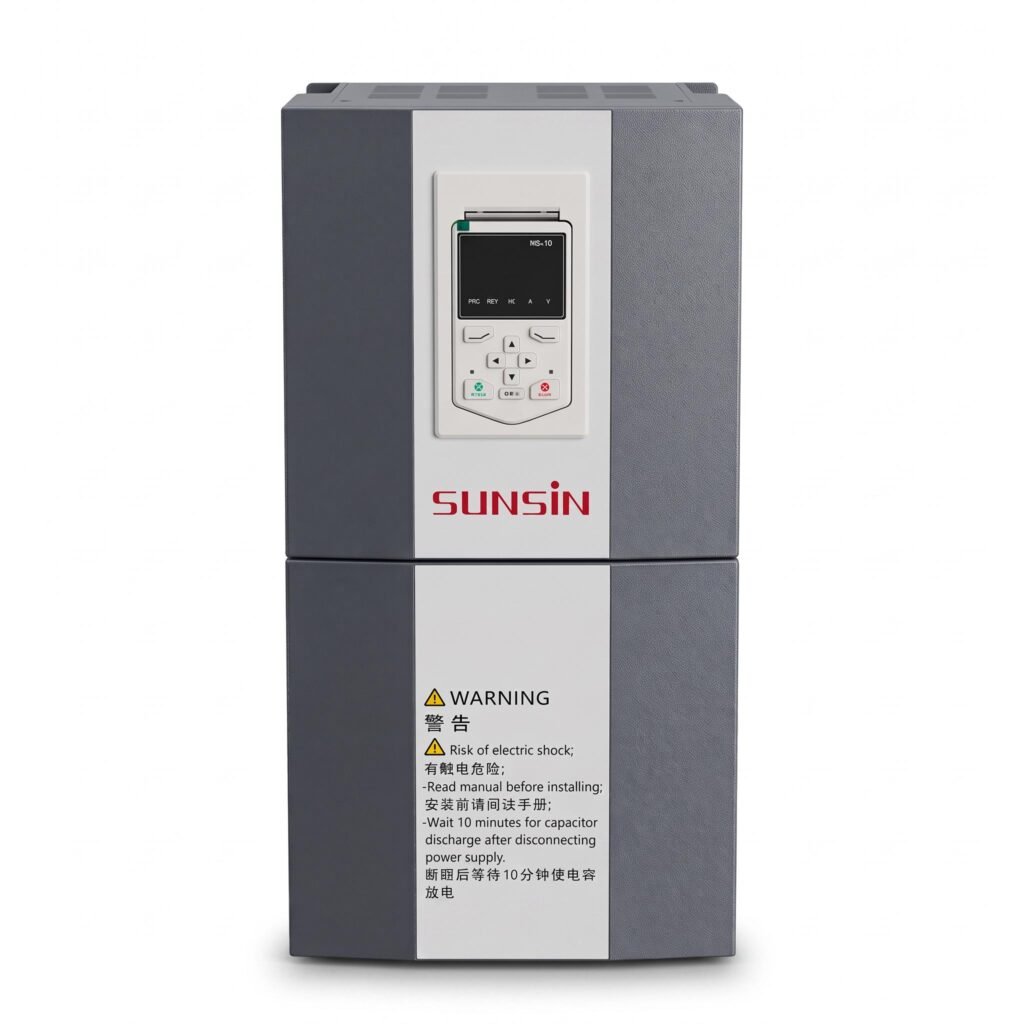
There is no universal “better” option between wall‑mount VFD and floor‑standing cabinet‑type VFD. The right solution depends on your motor power, available site layout, ambient operating conditions, future expansion plans and total‑cost‑of‑ownership targets. This article walks through core differences, real‑world pros and cons, typical application boundaries and practical checklists to help you select the most suitable VFD hardware for fan, pump, conveyor and other industrial‑drive projects.
What Is Wall‑mount VFD?
Wall‑mount VFD, also known as wall‑hanging variable frequency drive, is a compact standalone VFD unit designed to fix directly onto solid load‑bearing walls inside workshops, electrical rooms or near‑machine installation zones. Most wall‑mount VFD products cover power range from 1.5 kW up to 75 kW under 380‑480V low‑voltage conditions. Some manufacturers extend wall‑mount models up to 110 kW, yet higher power units gain significant weight and bring hidden risks for wall‑mounting applications.
A standard wall‑mount VFD integrates main power circuit, drive control board, detachable HMI keypad, built‑in cooling fan and basic protection circuits inside one compact metal housing. Users do not need to build a separate large control cabinet. Operators can finish parameter tuning, fault‑code reading and daily diagnosis directly from the front‑panel keypad. Most wall‑mount VFD units ship with IP20 ingress protection rating, which means they are suitable for clean indoor electrical‑room environments without heavy dust, moisture or splashing liquid.
Core Advantages of Wall‑mount VFD
First of all, wall‑mount VFD saves valuable floor area. In retrofitting projects, many factories have no extra floor space reserved for new electrical cabinets. Mounting drives vertically on solid walls keeps floor space free for other production equipment. This advantage matters a great deal for small‑size water‑supply stations, factory ventilation renovation and compact production‑line upgrade work.
Second, wall‑mount VFD brings obvious cost benefits. Compared with equivalent‑power floor‑standing cabinet‑type VFD, wall‑mount units cut down cabinet‑body material cost, internal wiring work and field‑installation workload. For small‑and‑medium‑scale single‑motor control tasks, wall‑mount VFD helps end‑users keep initial capital expenditure under control without sacrificing core V/F or sensorless vector‑control performance.
Third, installation and commissioning cycles are relatively short. Certified technicians can complete wall‑mount VFD fixation, power‑cable connection and basic parameter setup within a short time frame. Many retrofit projects require minimal modification to existing site infrastructure, no concrete foundation or cabinet‑anchoring bolt preparation work is required, as long as the wall meets load‑bearing requirements.
Fourth, flexible deployment close to field motors. Users can install wall‑mount VFD reasonably near fan or pump equipment, shortening motor‑cable length, lowering dv/dt distortion risk and reducing cable material expense.
Known Limitations for Wall‑mount VFD
Wall‑mount VFD carries clear power‑capacity boundaries. Once motor power exceeds 75 kW‑110 kW, drive weight and heat‑generation volume rise sharply. Ordinary building walls often cannot support such heavy‑weight electronic equipment safely. Over‑weight wall‑mount installation will cause hidden safety risks including loose mounting bolts and cabinet deformationRockwell A….
Wall‑mount VFD has limited space for adding auxiliary components. If your project needs line reactors, motor reactors, large‑capacity fuses, PLC modules, multi‑channel safety‑relay groups or multi‑drive parallel‑control hardware, the compact wall‑mount housing cannot accommodate all these add‑on components. You will need extra separate boxes, which complicates field wiring and increases fault points.
Most standard wall‑mount VFD is rated IP20. It cannot withstand heavy dust, high‑humidity corrosive atmosphere or water splashes. If you plan to deploy wall‑mount VFD on open‑site production floors instead of sealed electrical rooms, you have to add an extra outer protective cabinet, which offsets its original space‑saving strengthsRockwell A….
Heat dissipation also deserves special attention. Wall‑mount VFD adopts forced‑air cooling. Technicians must maintain strict top‑bottom‑side clearance according to manufacturer manuals. If multiple wall‑mount VFDs are stacked vertically on one wall, hot exhaust air from lower units may flow directly into air‑inlet of upper drives, triggering unexpected over‑temperature trips during continuous‑load operation.
What Is Floor‑standing Cabinet‑type VFD?
Floor‑standing cabinet‑type VFD is an integrated variable‑frequency‑drive solution built inside full‑size independent steel cabinet. The whole cabinet stands directly on workshop floors and fastens onto ground‑base anchor bolts. Inside one single cabinet‑type VFD enclosure, engineers can integrate main VFD power unit, isolating disconnector, input‑output reactors, fuses, protection relays, HMI touch‑screen, communication modules, auxiliary power supply and even local‑control PLC components as one complete turn‑key system.
Floor‑standing cabinet‑type VFD covers an extremely wide power spectrum, ranging from medium‑power 55 kW all the way up to 2000 kW and above for heavy‑duty industrial projects. It works for low‑voltage 380‑480V, 660V and mine‑use 1140V working conditions. Users can configure enclosure protection grade from IP20 up to IP54, IP65 according to site‑environment requirements, supporting air‑cooled or water‑cooled thermal‑management schemes for high‑power heavy‑load scenarios.
Unlike wall‑mount VFD that mostly serves one single motor, floor‑standing cabinet‑type VFD also supports multi‑motor master‑follower control system. It is widely adopted in mining conveyors, large‑scale water‑pumping stations, mineral‑processing plants and heavy‑industrial production lines where high reliability and expandability are top priorities.
Core Advantages of Floor‑standing Cabinet‑type VFD
First, outstanding integration capability. The large internal cabinet space leaves enough room for all necessary auxiliary hardware. You can place isolating switches, harmonic‑suppression reactors, filter units, safety‑protection components and monitoring modules inside one unified cabinet. Factory‑pre‑wired cabinet‑type VFD reduces field‑wiring mistakes and lowers on‑site debugging workload for complex projects.
Second, strong adaptability for high‑power and heavy‑constant‑torque loads. For mining conveyor, large slurry‑pump and heavy‑duty fan equipment, floor‑standing cabinet‑type VFD handles large current, high heat dissipation demand and heavy‑overload working cycles reliably. Cabinet‑type VFD can adopt optimized closed‑loop cooling systems, which is difficult to realize on compact wall‑mount‑form‑factor drives.
Third, flexible enclosure‑protection‑grade customization. Manufacturers can deliver IP54 or IP65 cabinet‑type VFD out‑of‑factory for dusty, humid industrial floors. Internal cabinet‑space also allows installing space heaters for anti‑condensation purposes in cold‑humid mine‑site environments. This gives cabinet‑type VFD obvious advantages over standard IP20 wall‑mount‑VFD units for harsh‑working‑condition projects.
Fourth, excellent system‑expandability. When your production line needs future capacity upgrade, you can reserve empty cabinet compartments for additional power‑modules or control‑hardware without replacing the whole drive system. For long‑term‑operation industrial plants, cabinet‑type VFD supports convenient spare‑parts replacement and routine maintenance. Most maintenance work can be finished at floor‑level height, which is safer than climbing to service high‑position wall‑mount‑VFD units.
Disadvantages of Floor‑standing Cabinet‑type VFD
Floor‑standing cabinet‑type VFD occupies dedicated floor footprint. Besides cabinet‑body dimension, you still need to keep sufficient clearance space on front, rear and side panels for ventilation and maintenance access. In space‑limited electrical‑rooms, multiple large floor‑standing cabinets will greatly squeeze available layout area for other electrical‑equipment.
Initial procurement and installation cost is higher. The heavy steel cabinet body, internal auxiliary components and factory‑assembly‑work all push up overall project investment. For simple single‑motor small‑power fan‑or‑pump‑control tasks, floor‑standing cabinet‑type VFD tends to bring over‑specification waste of budget.
Transportation and installation work becomes more complex. Heavy‑weight cabinet‑type VFD requires forklift or hoisting equipment for site delivery. Installation teams need to handle ground‑flatness check, anchor‑bolt fixing and cabinet‑alignment work. Cabinet‑type VFD also asks for longer lead‑time for custom‑configuration projects, compared with standard‑stock wall‑mount‑VFD products.
Side‑by‑Side Practical Comparison Table
表格
| Evaluation Item | Wall‑mount VFD | Floor‑standing Cabinet‑type VFD |
|---|---|---|
| Typical power range | 1.5 kW‑75 kW (low‑voltage) | 55 kW‑2000 kW+ |
| Installation method | Mount onto load‑bearing wall | Anchor to concrete workshop floor |
| Floor‑space occupation | Nearly zero, uses wall space | Requires dedicated floor area plus maintenance clearance |
| Default IP rating | Mainly IP20 | IP20 / IP54 / IP65 configurable |
| Auxiliary‑component integration | Limited internal space, few add‑ons allowed | Supports reactors, fuses, PLC, HMI, multi‑drive hardware inside cabinet |
| Cooling solution | Forced‑air cooling only | Air‑cooled or water‑cooled for high‑power models |
| Suitable load type | Light‑to‑medium‑load fan, pump, small conveyor | Heavy‑constant‑torque load, mining conveyor, large‑capacity pump, multi‑motor system |
| Total‑initial‑cost | Lower | Higher |
| Future‑system‑expansion | Poor | Excellent |
| Maintenance height | Elevated wall position, requires ladder for service | Floor‑level access, convenient for technicians |
When Should You Choose Wall‑mount VFD?
Select wall‑mount VFD if your project matches most of the following real‑world conditions.
Your motor power falls within 1.5 kW‑75 kW low‑voltage range. You only need to drive one single motor without complicated multi‑drive‑co‑ordination requirements. Typical applications include ordinary factory ventilation fans, small‑and‑medium‑size water‑supply pumps, light‑duty material conveyors and equipment‑retrofit‑upgrade projects.
Available floor space inside electrical‑room is tight, but you have solid, load‑bearing wall surface for installation. Retrofit‑projects are very common scenarios: many old factories do not reserve extra floor‑space for new large‑size electrical‑cabinets, wall‑mount VFD solves this pain‑point perfectly.
The installation site is clean, dry indoor electrical‑room environment. Ambient dust concentration is low, no corrosive gas or water‑splashing risk, so IP20 protection grade meets project‑specification requirements.
Project budget is relatively tight, and you want to cut down cabinet‑body and field‑installation‑expense. You do not need to integrate large numbers of additional protective or control‑components. Keep in mind: wall‑mount VFD still requires reserved clearance space for air‑inlet and hot‑air exhaust to avoid over‑temperature faults.
When Should You Choose Floor‑standing Cabinet‑type VFD?
Floor‑standing cabinet‑type VFD becomes your preferred option under these circumstances.
Motor power exceeds 75 kW, especially heavy‑duty constant‑torque loads such as mining conveyor, large‑flow slurry‑pump and heavy‑industrial‑processing‑line‑drives. High‑power VFD generates massive heat, and cabinet‑type structure provides reliable thermal‑management solutions.
Your project requires complete integrated‑solution: you need to fit line reactors, motor reactors, isolating switches, touch‑screen HMI, safety‑relay‑units and multi‑motor‑control hardware inside one single‑enclosure. Buying a pre‑assembled floor‑standing cabinet‑type VFD reduces on‑site wiring risk and shortens commissioning time.
Working‑site environment is harsh: high‑dust, high‑humidity or corrosive‑atmosphere. You need IP54 or higher‑ingress‑protection rating out‑of‑factory. Underground‑mine‑related projects also frequently adopt customized floor‑standing cabinet‑type VFD with enhanced anti‑corrosion treatment.
You plan long‑term‑operation and foresee future‑system‑expansion. Cabinet‑type VFD reserves space for adding power‑modules or control‑units. Maintenance teams prefer floor‑level‑operation, which lowers safety risks during routine inspection and spare‑parts‑replacement work.
You have multi‑motor‑co‑control demands, for example master‑follower conveyor‑drive‑system in mineral‑processing‑plant. Floor‑standing cabinet‑type VFD offers stable hardware‑foundation for complex multi‑drive‑logic configuration.
Common Selection Mistakes Engineers Need to Avoid
Many teams make simple but costly mistakes when picking between wall‑mount VFD and floor‑standing cabinet‑type VFD.
Mistake one: blindly choose wall‑mount VFD only for cost‑saving, ignoring power‑and‑weight‑limit. Some customers try to install 110 kW heavy‑weight wall‑mount VFD on thin non‑load‑bearing partition walls. After months of continuous vibration during operation, mounting‑bolts get loose, creating severe safety‑hazards. If your motor power approaches 75 kW upper‑limit, evaluate wall‑load‑bearing capacity carefully or shift to small‑size floor‑standing cabinet‑type VFD as backup‑solution.
Mistake two: deploy standard IP20 wall‑mount VFD directly on dusty open‑production‑floors. Without extra outer protective‑cabinet, dust will accumulate inside drive units, block cooling‑fans and trigger frequent over‑temperature‑trips. If you need high‑protection‑grade hardware for open‑site floors, cabinet‑type VFD with factory‑built IP54 enclosure is a more reasonable choice.
Mistake three: stack multiple wall‑mount VFD vertically too close on one wall. Hot‑air exhausted from lower‑position drives flows into air‑inlet of upper‑units. Even if each single‑VFD meets individual‑clearance‑requirement, cross‑heat‑pollution between drives will reduce service‑life and cause random thermal‑faults.
Mistake four: over‑specification with floor‑standing cabinet‑type VFD for small‑power simple‑tasks. For a 7.5 kW ordinary water‑pump inside clean electrical‑room, purchasing a full‑size floor‑standing cabinet‑type VFD brings unnecessary investment, wastes floor‑space and extends project‑delivery‑cycle.
Final Checklist Before You Place VFD Order
Walk through these practical questions before finalizing your VFD form‑factor selection:
- What is rated motor power, voltage and load‑type (variable‑torque fan/pump or constant‑torque conveyor)?
- Do you have qualified load‑bearing wall for wall‑mount installation? Or do you have available floor‑space for floor‑standing cabinet‑type VFD, including maintenance‑clearance zone?
- Site‑ambient‑conditions: dust level, humidity, corrosive‑gas? What IP ingress‑protection grade is required?
- Do you need to integrate reactors, fuses, HMI, PLC or multi‑motor‑control‑hardware inside the drive‑enclosure?
- Any future‑system‑expansion‑plan for this drive‑system?
- Maintenance‑consideration: will technicians benefit more from wall‑high installation or floor‑level‑access?
- Project‑budget and delivery‑time expectations.
Conclusion
Wall‑mount VFD and floor‑standing cabinet‑type VFD serve different industrial‑application‑scenarios. Wall‑mount VFD shines for compact‑layout, small‑and‑medium‑power single‑motor‑control inside clean electrical‑rooms, bringing cost‑advantage and flexible‑installation. Floor‑standing cabinet‑type VFD delivers high‑integration, strong‑environmental‑adaptability and expandability for high‑power heavy‑duty industrial‑projects.
Do not make your final decision purely based on price. Think through installation‑condition, environment‑stress, maintenance‑work and long‑term‑system‑upgrade‑requirements. Matching VFD physical‑form‑factor to real‑site‑conditions will help you avoid unplanned downtime and reduce total‑cost‑of‑ownership over the whole equipment lifecycle.
If you are not sure which form‑factor fits your fan, pump or conveyor‑project, share your motor‑parameters and site‑layout‑information with drive‑manufacturer technical‑team for customized technical‑commercial offer.