
Mining belt conveyors and mine hoists operate in some of the toughest industrial conditions on the planet. These core production machines run 24/7, handling heavy fluctuating loads, sudden material surges, and continuous start-stop cycles. As the main control device, heavy-duty VFDs ensure stable motor torque, smooth speed regulation, and reliable mechanical protection.
However, mining-site VFD failures happen far more often than standard industrial drive errors. Most problems are not caused by product quality issues. They stem from harsh mine environments, heavy-load startup shocks, repeated regenerative energy surges, and long-term vibration interference. Many site teams only reset fault codes and restart the system without fixing root causes. This leads to recurring tripping, unexpected shutdowns, higher maintenance costs, and lost production volume.
This guide focuses specifically on real-world VFD faults occurring on mining conveyors and mine hoists. It breaks down practical field causes, step-by-step troubleshooting methods, and sustainable maintenance practices tailored for mining heavy-load scenarios. The content is written for field electricians, maintenance teams, project engineers, and mining facility managers looking to reduce unplanned downtime and extend VFD service life.
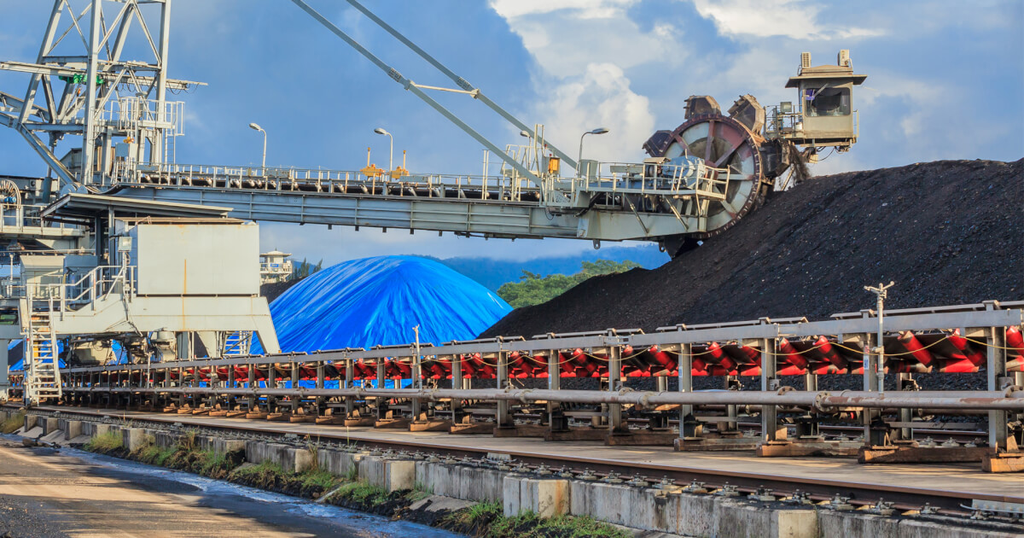
Why Mining VFD Faults Are Different From General Industrial VFD Errors
Ordinary VFDs used for fans, pumps, and general machinery run under stable loads and clean environments. Mining conveyor and hoist VFDs face completely different operating stress, which creates unique failure patterns.
First, mining equipment carries extreme dynamic loads. Belt conveyors start with full ore weight, while mine hoists require instant high torque at low speed to lift heavy cages. These heavy startup impacts easily trigger overcurrent and torque overload errors.
Second, downhill conveyors and hoist lowering operations produce massive regenerative energy. The motor turns into a generator and pushes reverse voltage back to the VFD. Without proper braking or energy recovery support, overvoltage faults become extremely common.
Third, mine sites feature heavy dust, high humidity, drastic temperature changes, and constant mechanical vibration. Dust blocks heat dissipation. Moisture weakens insulation. Vibration loosens wiring terminals. These environmental factors create intermittent faults that are hard to diagnose and easy to repeat.
Most Common VFD Faults on Mining Conveyors & Hoists (Field Causes + Fixes)
1. Overcurrent Fault (OC) — Heavy-Load Startup & Belt Jam Issues
Overcurrent is the number-one fault on mining belt conveyors. It usually appears during cold startup, full-load restart, or sudden belt blockage.
In mining scenarios, overcurrent rarely comes from VFD damage. It happens because the system cannot handle sudden load impact. Fast acceleration settings, piled ore on the belt, unbalanced multi-motor torque distribution, or slight mechanical jams will instantly spike the running current beyond the safe range.
Field Troubleshooting Steps
First, inspect the conveyor belt for material accumulation, jamming, or misalignment. Clear excess ore and release mechanical tension before restarting. Second, adjust acceleration and deceleration parameters to allow slower, smoother heavy-load startup. Third, balance torque output if multiple VFDs drive one long conveyor. Uneven load sharing is a hidden cause of repeated overcurrent trips. Finally, test motor and cable insulation to rule out winding aging or line leakage.
2. Overvoltage Fault (OV) — Regenerative Energy Surge on Hoists & Downhill Belts
Overvoltage faults are exclusive signature issues for mine hoists and downhill conveyors. During cage lowering or gravity-driven belt operation, the motor generates electricity and pushes power backward into the VFD’s DC bus.
If braking resistors are aging, braking power is insufficient, or deceleration time is too short, the reverse energy cannot be consumed or fed back in time. The bus voltage rises sharply and triggers protection trips.
Field Troubleshooting Steps
Check real-time DC voltage fluctuation during deceleration and lowering cycles. For standard braking VFDs, inspect resistor temperature, resistance value, and aging status. Replace weak resistors that cannot handle continuous energy dissipation. For regenerative VFD systems, verify the grid feedback unit works stably without signal lag. Adjust deceleration time to avoid sudden speed drops that create massive energy spikes.
3. Overtemperature Fault — Dust Blockage & Poor On-Site Ventilation
Mining VFD overheating is a chronic issue caused entirely by site conditions. Mine dust sticks tightly to heat sinks, fan blades, and internal circuits. Over time, heat dissipation efficiency drops significantly, even if the VFD itself is in good condition.
Underground high temperature, humid air, and 24-hour continuous heavy-load operation further worsen heat accumulation. Many overtemperature faults occur during peak production seasons due to long-duration full-load cycling.
Field Troubleshooting Steps
Regularly blow clean all heat sinks, cooling fans, and cabinet interiors. Replace slow or noisy fans that lose cooling capacity. Check cabinet door seals to prevent continuous dust ingress. Optimize electrical room ventilation and avoid placing VFDs in fully enclosed high-temperature zones. Reduce unnecessary continuous overload operation to allow proper heat dissipation during low-load intervals.
4. Undervoltage Fault (UV) — Mining Grid Instability & Loose Wiring
Mining power grids are notoriously unstable. Large equipment startups, long-distance power transmission, and frequent load switching cause voltage dips and phase imbalance. These grid fluctuations easily trigger VFD undervoltage protection and sudden conveyor or hoist shutdowns.
Loose power terminals, aging cables, and poor contact points also create virtual voltage loss, leading to intermittent undervoltage alarms that are difficult to replicate in normal inspections.
Field Troubleshooting Steps
Monitor real-time grid voltage and three-phase balance status. Tighten all incoming power terminals, cable lugs, and switch contacts. Replace aged cables with thinner cross-sections that cause excessive line loss. For mines with severe grid instability, adjust VFD undervoltage protection thresholds or install grid stabilization devices to adapt to fluctuating power quality.
5. Ground Fault & Insulation Failure — Humid Underground Environment
Underground mining sites contain high humidity, water spray, and corrosive dust. Over time, motor windings and power cables absorb moisture, resulting in decreased insulation performance. Damaged cable jackets from mechanical friction also create hidden grounding risks.
Ground faults are extremely dangerous. They can cause VFD module burnout, motor damage, and even safety accidents if ignored.
Field Troubleshooting Steps
Disconnect VFD output cables and test motor and line insulation separately using a megohmmeter. Locate damp windings or damaged cables immediately. Perform drying treatment on damp motors and replace broken cables. Strengthen waterproof sealing for terminal boxes and cable joints. Build regular insulation testing routines to eliminate hidden dangers early.
6. Multi-Drive Communication Fault — Long Conveyor Synchronization Failure
Long-distance mining conveyors use multiple VFDs to drive one single belt. Stable communication and torque synchronization are critical. On-site electromagnetic interference, vibration-loosened cables, and inconsistent parameter settings often cause signal loss and synchronization deviation.
When VFDs run out of sync, belt tension becomes uneven, leading to slippage, deviation, or even belt tearing in severe cases.
Field Troubleshooting Steps
Separate signal cables from high-power cables to reduce electromagnetic interference. Fix loose communication terminals and replace aging shielded wires. Uniformly calibrate acceleration, speed response, and torque balance parameters for all drive units. Test continuous signal stability during full-load operation to eliminate intermittent disconnection faults.
Practical Mining VFD Maintenance Schedule (Proven for Hoist & Conveyor Systems)
Most VFD failures in mining sites are avoidable. The key is adopting environment-adaptive maintenance standards different from ordinary industrial maintenance.
Daily Inspection
Check real-time current, voltage, and temperature data. Listen for abnormal fan noise and check for overheating odors. Ensure cabinet doors remain fully sealed to block dust and moisture.
Weekly Maintenance
Thoroughly clean internal dust from heat sinks and circuit boards. Retighten all power and signal terminals loosened by vibration. Check braking resistor temperature and operation status.
Monthly Deep Maintenance
Test motor and cable insulation performance. Calibrate VFD torque limits and synchronization parameters according to seasonal load changes. Inspect capacitor aging and power module working status.
Annual Overhaul
Perform full-load aging testing. Replace aging fans, capacitors, and cables. Optimize ventilation and dustproof measures to improve long-term system stability.
Common Field Mistakes That Worsen VFD Failures
Many mining teams unintentionally shorten VFD service life through incorrect operation. Simply resetting faults without root analysis leads to repeated failures. Randomly raising current and voltage thresholds reduces safety margins and accelerates module aging. Ignoring dust accumulation and vibration loosening creates hidden long-term risks. Using standard braking resistors for heavy regenerative loads also causes persistent overvoltage tripping.
Conclusion
Mining conveyor and hoist VFD faults are closely tied to heavy dynamic loads, regenerative energy impact, unstable mining grids, and harsh environmental conditions. Overcurrent, overvoltage, overheating, undervoltage, insulation failure, and communication errors account for nearly all unplanned downtime cases.
With targeted troubleshooting and mining-adapted maintenance routines, mine operators can drastically reduce VFD failure frequency, cut maintenance costs, and ensure continuous, safe operation of core conveying and hoisting equipment. For complex recurring faults, partnering with professional mining-grade VFD manufacturers provides reliable system optimization and long-term operational stability.
FAQ
Q1: Why do mine hoist VFDs trip overvoltage during lowering?
Hoist lowering generates strong regenerative power. Weak braking capacity, aging resistors, or rapid deceleration cause DC bus overvoltage and trigger protection.
Q2: What causes frequent VFD overheating in mining sites?
Mineral dust blocks heat dissipation structures. Coupled with high ambient temperature and continuous heavy-load operation, internal heat accumulates and activates overheating protection.
Q3: How to stop repeated overcurrent faults on conveyor VFDs?
Optimize startup acceleration, balance multi-motor torque, avoid belt overload, and maintain good motor insulation to eliminate sudden current surges.